)
&format=webp)
When chef Hilda Baci first broke the Guinness World Record for the longest cooking marathon, it felt like she’d reached the peak of food stardom. But this year, she surprised Nigerians again when she took to social media to announce another outrageous project: cooking the world's largest pot of jollof rice.
In a video that quickly went viral, Hilda shared the dimensions of the giant pot she plans to use and casually mentioned that she’s considering 250 bags of rice. If you know anything about Nigerian food culture, you know that’s a jaw-dropper. Jollof rice is already notorious for swallowing ingredients and money at even a small party scale. Multiply that by hundreds of bags, and the costs spiral into millions.
So, how much would it actually cost to pull off this ambitious feat? We investigated, using current Lagos market prices, product equivalents, and Nigerian-style measurements. Here’s the breakdown of what it takes to fuel a pot big enough to feed a city.
Basmati Rice
The backbone of the dish is, of course, rice. Hilda has her eye on 250 bags of 20kg basmati rice. At Lagos market prices, one 10kg bag goes for about ₦50,000. Multiply that by 250, and you’re already staring at ₦12.5 million on rice alone. That’s more than the cost of some cars.
)
Tomatoes
Instead of fresh tomatoes, Hilda’s team has confirmed she’ll be cooking with 1,583 kg of Gino pastes, which will be a mix of Asun tomato paste, peppered chicken paste, and party jollof paste. That’s a staggering amount, equivalent to approximately 26,000 sachets based on the standard 60g size.
At an average market price of ₦250 per sachet, the paste alone would cost roughly ₦6.6 million. Because Gino is sponsoring the attempt, this bill may be covered, but it still shows the kind of industrial scale we’re dealing with. For perspective, that’s several truckloads of paste, all dedicated to one pot of rice.
1 Carton - 70g X 50 Sachets
)
Peppers (Ata Rodo + Bell)
Jollof rice without pepper? Impossible. Nigerians will tell you pepper is not just seasoning, it’s the heart of the food. Each 20kg bag requires approximately 48 habanero peppers (ata rodo) and a large quantity of bell peppers.
Habanero: Instead of calculating per piece, let’s look at it by the bag. A full bag of habaneros goes for about ₦90,000. Hilda would need about 3 bags to cover her recipe, which brings the total to around ₦270,000
)
Bell peppers: A pack of 5 sells for about ₦4,900. For 250 bags, you’d need 1,250 peppers total (₦1.225 million).
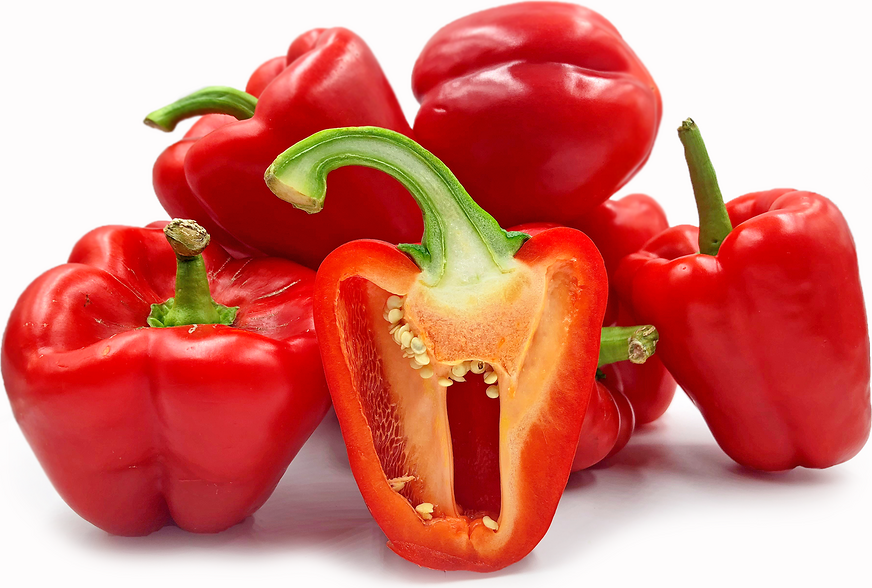
Combined pepper spend: nearly ₦1.5 million.
Onions
With Nigerian jollof, onions are non-negotiable. They are the foundation, adding sweetness and giving the food balance. Each 20kg bag requires approximately 48 onions, totalling 12,000 onions for the entire pot.
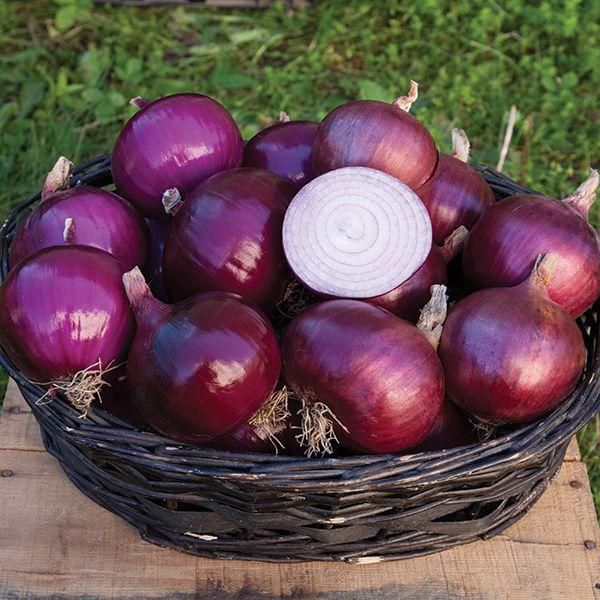
Onions sell in kilograms, with 1kg (about 7 onions) going for ₦1,500. Hilda would need around 1,714kg, which translates to ₦2.57 million just for onions. It’s safe to say this pot of jollof will bring tears to the eyes, literally and financially.
Vegetable Oil
Nigerians argue about the perfect oil-to-rice ratio, but one thing’s clear: big pots need lots of it. A 20kg bag of rice typically uses 4 litres of oil. Scale that to 250 bags, and you get 1,000 litres of oil. That’s 250 bottles of 4 litres, at ₦12,000 each, making oil one of the biggest ticket items after rice at ₦3 million.
)
Seasoning, Curry & Bay Leaves
Seasoning is where Nigerian cooks pour their soul into jollof, and at this scale, it’s almost industrial.
Maggi cubes: Each bag needs about 150 cubes. For 250 bags, that’s 37,500 cubes. With Knorr 2-in-1 (100 cubes) selling for ₦1,990, the total comes to ₦746,000.
)
Curry powder: One cup per bag equals 250 cups, costing about ₦91,250.
)
Bay leaves: A bag requires 48, or 12,000 total. A 30g pack (around 100 leaves) costs ₦3,440. Hilda would need 120 packs, setting her back ₦412,800.
Together, the seasoning bill hits ₦1.25 million.
)
The Grand Total
Rice: ₦14.75 million
Tomato paste: ₦6.6 million (covered by Gino sponsorship, but that’s the market value)
Peppers: ₦1.5 million
Onions: ₦2.57 million
Oil: ₦3 million
Seasoning: ₦1.25 million
Total estimate: ₦27.42 million
A Note on Estimates
These figures are based on market prices and ingredient ratios at the time of writing. Real costs could swing higher or lower depending on seasonality, suppliers, or Hilda’s own recipe tweaks. Plus, this breakdown only covers the core jollof ingredients, not proteins, gas, labour, or the giant pot itself. Still, it gives a clear picture of just how much it takes to scale Nigeria’s favourite party dish to record-breaking size.
Putting all of these in perspective, whether Guinness recognises it or not, this is the kind of feat that carves your name into history.
&format=webp)
-
) Lifestyle 06.02.20262025 Celebrity Interviews On Pulse
Lifestyle 06.02.20262025 Celebrity Interviews On Pulse -
) Lifestyle 20.12.2025How Well Do You Know BIC 1 Shaver?
Lifestyle 20.12.2025How Well Do You Know BIC 1 Shaver? -
) Lifestyle 24.11.2025Adulting Is No Joke!
Lifestyle 24.11.2025Adulting Is No Joke! -
) Lifestyle 20.11.2025Are You Trying To Date Me Or My Daddy?
Lifestyle 20.11.2025Are You Trying To Date Me Or My Daddy?
&format=webp)
&format=webp)
&format=webp)
&format=webp)
&format=webp)
&format=webp)
&format=webp)
&format=webp)

&format=webp)
&format=webp)
&format=webp)
&format=webp)
&format=webp)
&format=webp)